
Inside the hidden, heartbroken world of Western Kenya’s sickle cell crisis, where empty blood banks and cultural stigma force families to fight for survival alone.
An investigative long-form feature exposing how patriarchal blame, deep-seated cultural stigma, and healthcare inequalities force mothers in rural Western Kenya to carry the entire physical, emotional, and financial burden of managing sickle cell disease alone.
By Violet Auma ||violetmedia8@gmail.com
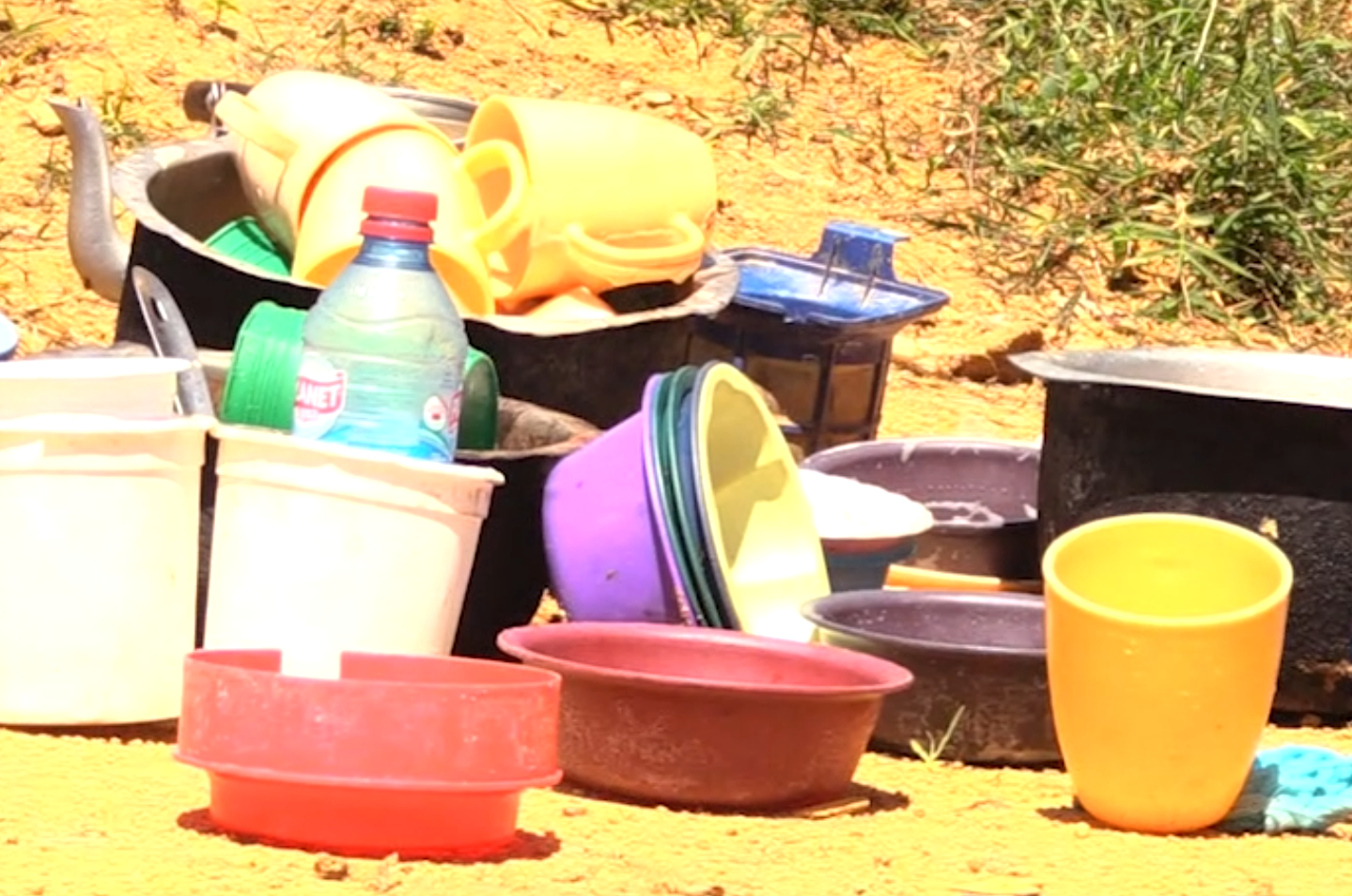
Mornings in Koyonzo village, Matungu, look peaceful from the outside. Chickens peck at the red soil, and the early sun catches unwashed plates and tin cups scattered in the yard. But inside this mud-walled compound in Kakamega, there is a quiet, familiar terror.
Twenty-one-year-old Riziki Owino is fighting an invisible battle inside her own body. Sitting next to her is her mother, Rehema Abdi , who watches her daughter’s face constantly.
For over twenty years, Rehema has had to read her daughter’s body like a map. A sudden silence, a clenched jaw, or an unexplained wave of exhaustion means the disaster has started. Riziki’s red blood cells are twisting into rigid crescents, cutting off oxygen to her organs.
Riziki has sickle cell anemia. It is a genetic crisis inherited equally from both parents. Yet, in rural Western Kenya, the social and financial wreckage is dumped entirely on one person: the mother.
The sickle-shaped cells clogging Riziki’s veins did more than damage her tissue. They disrupted her education, broke her family apart, and drained her mother’s meager savings.
“I would be admitted in hospital for a month at a time,” Riziki recalls, her voice dropping to a whisper. “And when I finally go back to school, my teachers would punish me.”
In rural schools, chronic illness looks like truancy. Teachers expected a teenager battling a genetic crisis to stand before a desk and defend her failing body to people who didn't even know what sickle cell was.
“The teachers were blind to what was killing me,” Riziki says. “I had a classmate who also carried this blood. Then, the grave took her. It took the death of another child for human compassion to finally arrive in that classroom. Only after she died did they begin to treat me with care.”
Table of contents [Show]
- Living in the Shadows of a Broken Gene: 21-year-old Riziki Owino speaks from her home in Koyonzo village, Matungu, detailing the severe physical abuse, paternal abandonment, and educational exclusion she faces daily while living with sickle cell disease in rural Kakamega County. (Photo: Violet Auma)
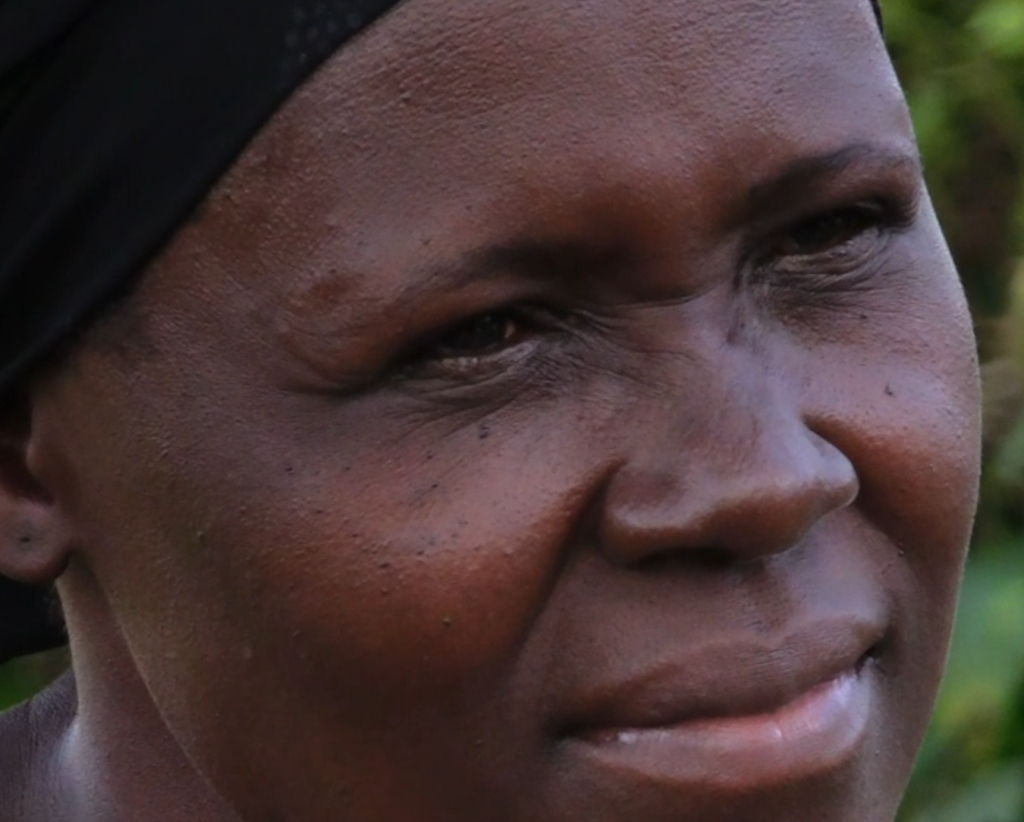
- Rehema Abdi, mother to 21-year-old sickle cell patient Riziki Owino, speaks during an interview in Koyonzo village, Matungu. For over two decades, Rehema has borne the exclusive financial, emotional, and physical burden of her daughter's chronic illness after facing total abandonment and blame from her husband. (Photo: Violet Auma)
- Nurse Mariam Mapesa (right) and a colleague administer care to a young sickle cell patient inside the Anne Ward at St. Mary’s Hospital, Mumias. The heavily congested unit serves as a vital clinical oasis in Western Kenya, a high-burden malaria region where up to four out of every 100 newborns are born with the recessive genetic blood disorder. (Photo: Violet Auma)
-
- Nurse Mariam Mapesa prepares a critical injection in the crowded pediatric ward at St. Mary’s Hospital in Mumias. While administering pain-relief therapies to young sickle cell patients on her shift, Mapesa silently navigates the exact same crisis at home, caring for her own four-year-old son following the complete abandonment of his father. (Photo: Violet Auma)
- Nurse Mariam Mapesa speaks during an interview at St. Mary’s Hospital in Mumias. As the clinical lead for a heavily congested pediatric ward, Mapesa balances her professional duty with a quiet, personal heartbreak—navigating systemic medical shortages and marital abandonment while raising her own four-year-old son who carries the exact same blood disorder. (Photo: Violet Auma)
- Mothers and their children gather for a monthly sickle cell support group meeting in Mumias, Western Kenya. The grassroots collective serves as a vital emotional and financial lifeline for women who have been cast out of their matrimonial homes and turned into genetic scapegoats by husbands blaming the inherited blood disorder on ancestral curses or witchcraft. (Photo: Violet Auma)
- Asman Mohammed listens keenly during a monthly sickle cell support group meeting in Mumias. Granted a brief, unprecedented leave from his surgical bed at St. Mary’s Hospital just hours after receiving a critical blood transfusion, Asman relies on this community for survival while preparing for complex skin-grafting surgery to treat a deep, non-healing vascular ulcer he has painfully nursed for over a decade. (Photo: Violet Auma)
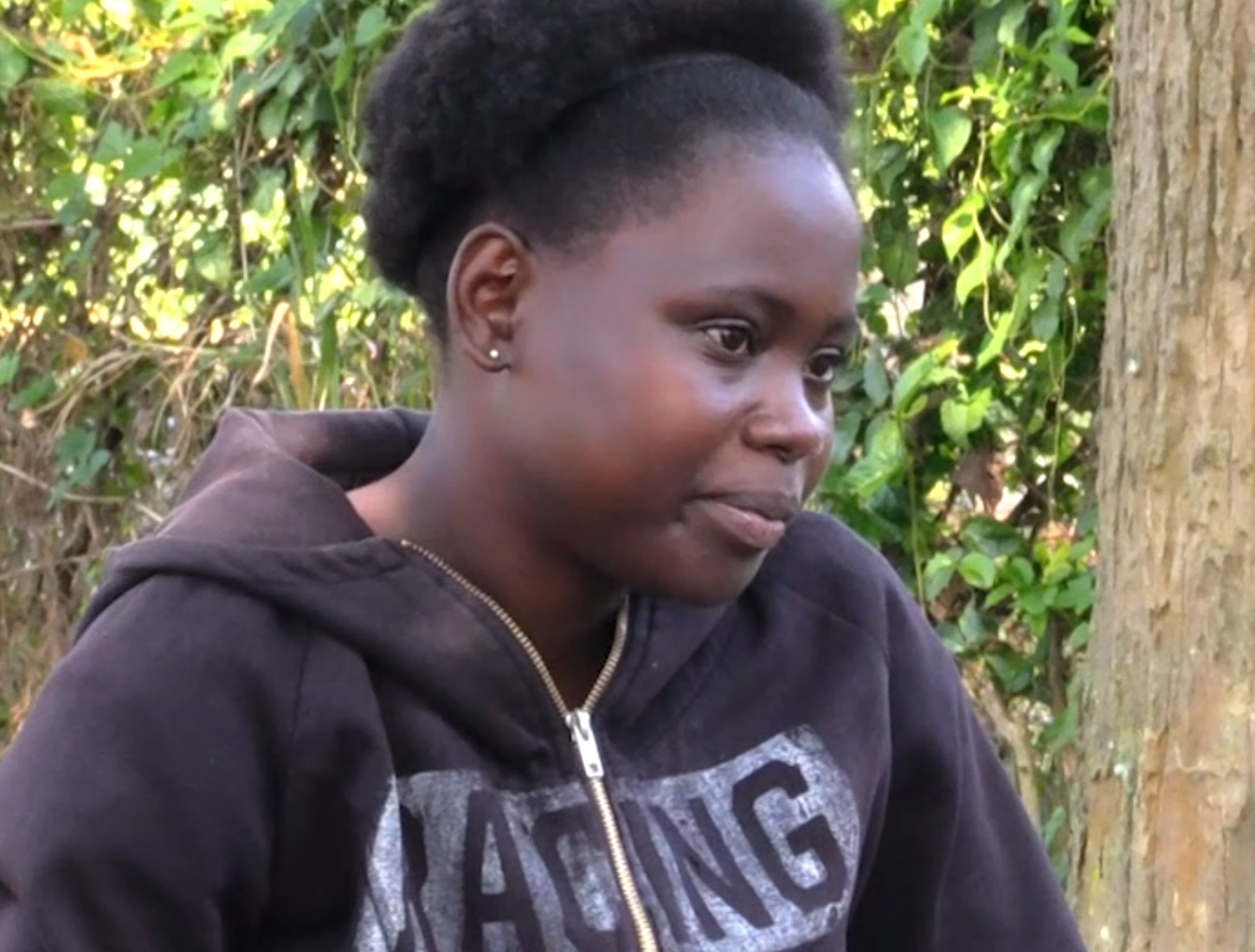
Living in the Shadows of a Broken Gene: 21-year-old Riziki Owino speaks from her home in Koyonzo village, Matungu, detailing the severe physical abuse, paternal abandonment, and educational exclusion she faces daily while living with sickle cell disease in rural Kakamega County. (Photo: Violet Auma)
By the time the teachers changed their minds, the damage was done. Riziki had missed too many classes, and her confidence was gone. She had learned a bitter lesson: a sick child is punished twice—first by her own blood, and then by a system that doesn't care.
But the deepest scars weren't made at school. They were made at home.
“My condition erased me from my father’s heart,” Riziki says flatly, staring at her lap. “He has cast me out completely. It is a strange, hollow grief—living as an absolute orphan while the man who fathered you is still walking this earth. He told my mother to take me back to where she got me, shouting that he did not father a sickle-cell child. He pushes me and treats me harshly compared to my siblings. If I see him coming, I run out of his way because I know he will beat me.”
“He has never paid a single shilling toward my education; my school fees are a mountain of debt. He does not know where the medicine that keeps me alive comes from, nor does he care who pays for it.”
With her husband gone, Rehema had to become everything: caregiver, breadwinner, night nurse, and emergency responder. She has to find scarce blood donations, pay for daily medication, and handle the insults from neighbors who don't understand the disease.
Before a doctor finally gave Riziki’s pain a medical name, the village offered a darker diagnosis: witchcraft.
“She used to scream day and night as a baby, as if something invisible was tearing her apart,” Rehema remembers. “There was a funeral nearby, and neighbors whispered that my child had been looked at with an evil eye that she was bewitched.”
Out of desperation, Rehema took her screaming baby to a traditional herbalist (mganga). It was only when the child lost consciousness that she panicked, broke away from village traditions, and ran to a modern clinic. Riziki was diagnosed at one year old. She has lived in hospital corridors ever since.
This rush from superstition to a hospital is common across Western Kenya. Here, sickle cell is blamed on a curse long before it is recognized as a medical condition.
Biologically, the disease only happens when a child inherits the abnormal gene from both parents. Both the mother and father can be perfectly healthy carriers. But on the ground, this genetic science is completely ignored.
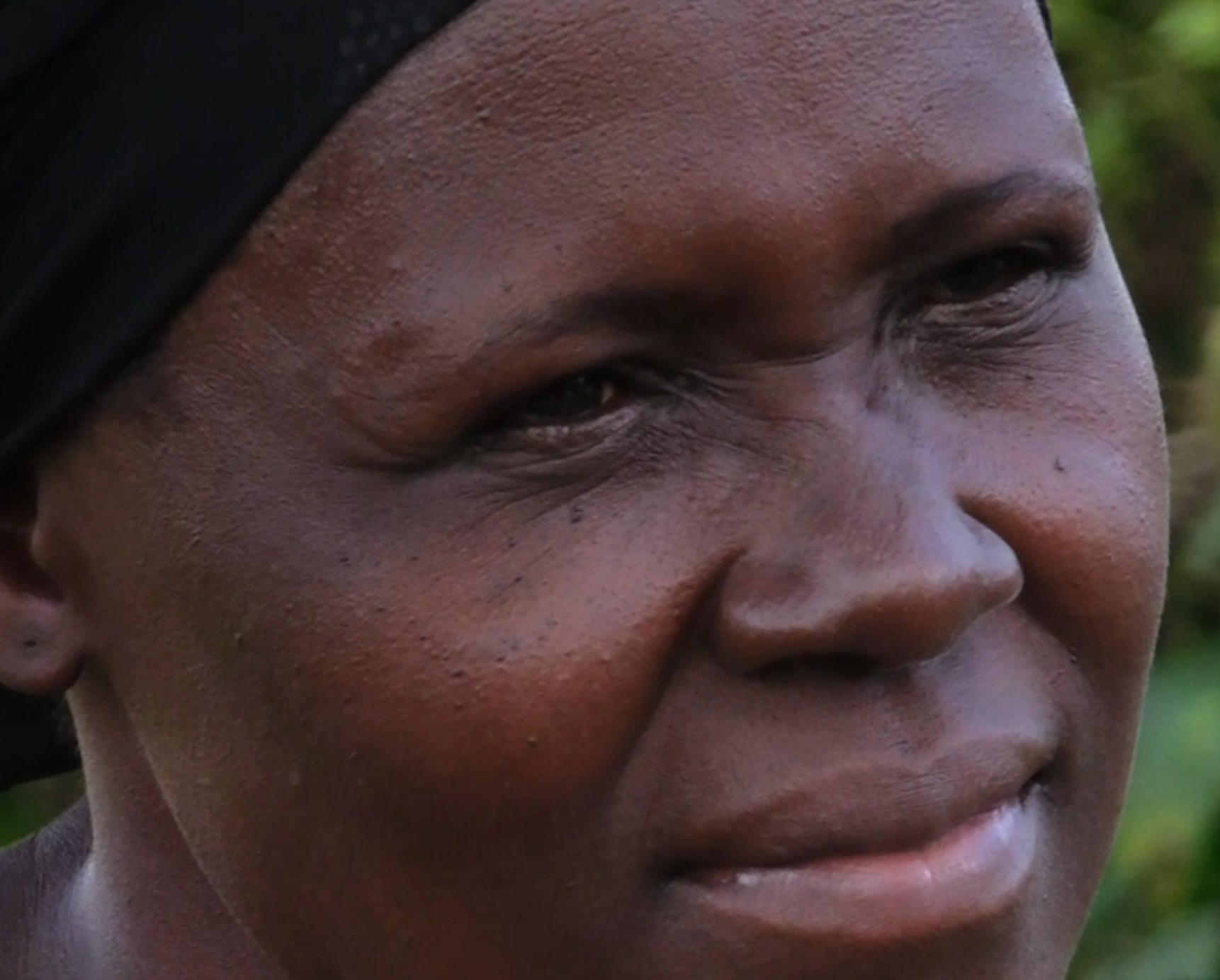 Rehema Abdi, mother to 21-year-old sickle cell patient Riziki Owino, speaks during an interview in Koyonzo village, Matungu. For over two decades, Rehema has borne the exclusive financial, emotional, and physical burden of her daughter's chronic illness after facing total abandonment and blame from her husband. (Photo: Violet Auma)
When Rehema begged her husband to join her for testing, the conversation ended with total finality.
“I begged him that we should both stand before a doctor and test our blood, so we could understand the traits we carry," Rehema says. "He refused outright. He told me to my face that this curse belongs strictly to the bloodline of my mother.”
In that single refusal lies the cruelty of the crisis. Women are forced to carry the full blame and cost for a genetic condition that belongs equally to both parents.
“Sometimes the pharmacy takes every coin I have, and sometimes I have to watch her suffer with nothing,” Rehema says simply. “Her father just watches our struggle from a distance, as if we are strangers.”
The tragedy is that the science is clear. According to Kenya’s Ministry of Health, about 14,000 children are born with sickle cell disease every year. The burden is heaviest in malaria-endemic regions like the Lake Victoria basin and the Coast, where up to four out of every 100 newborns are born with the condition.
But in villages like Koyonzo, the science loses to stigma. And mothers like Rehema are left to fight the battle entirely alone.
14,000
Children are born with sickle cell disease in Kenya annually. In high-burden regions like Kakamega, up to 4 in every 100 newborns are affected.
For patients like Riziki, these numbers mean a life measured in blood transfusions, sudden strokes, and days when she cannot move at all.
Leaning against the mud wall of her home, Rehema remembers the endless nights when the pain was so bad their small house felt like an emergency room.
“There are nights when the child cries so loudly that my husband wakes up angry,” Rehema says, her eyes swelling with tears. “He tells me to take the child outside because he wants to sleep. I am forced to carry my weeping child out into the freezing night air, rocking her under the stars in the dark, completely alone.”
A short drive away, at St. Mary’s Hospital in Mumias, this exact pattern plays out daily.
Inside the packed pediatric ward, the room is filled with the low crying of children.
Moving quickly between the beds is Mariam Mapesa, a nurse in her early thirties. There are ten children in the ward today. Every single one is fighting a sickle cell crisis, their small bodies curled tight against the white sheets.
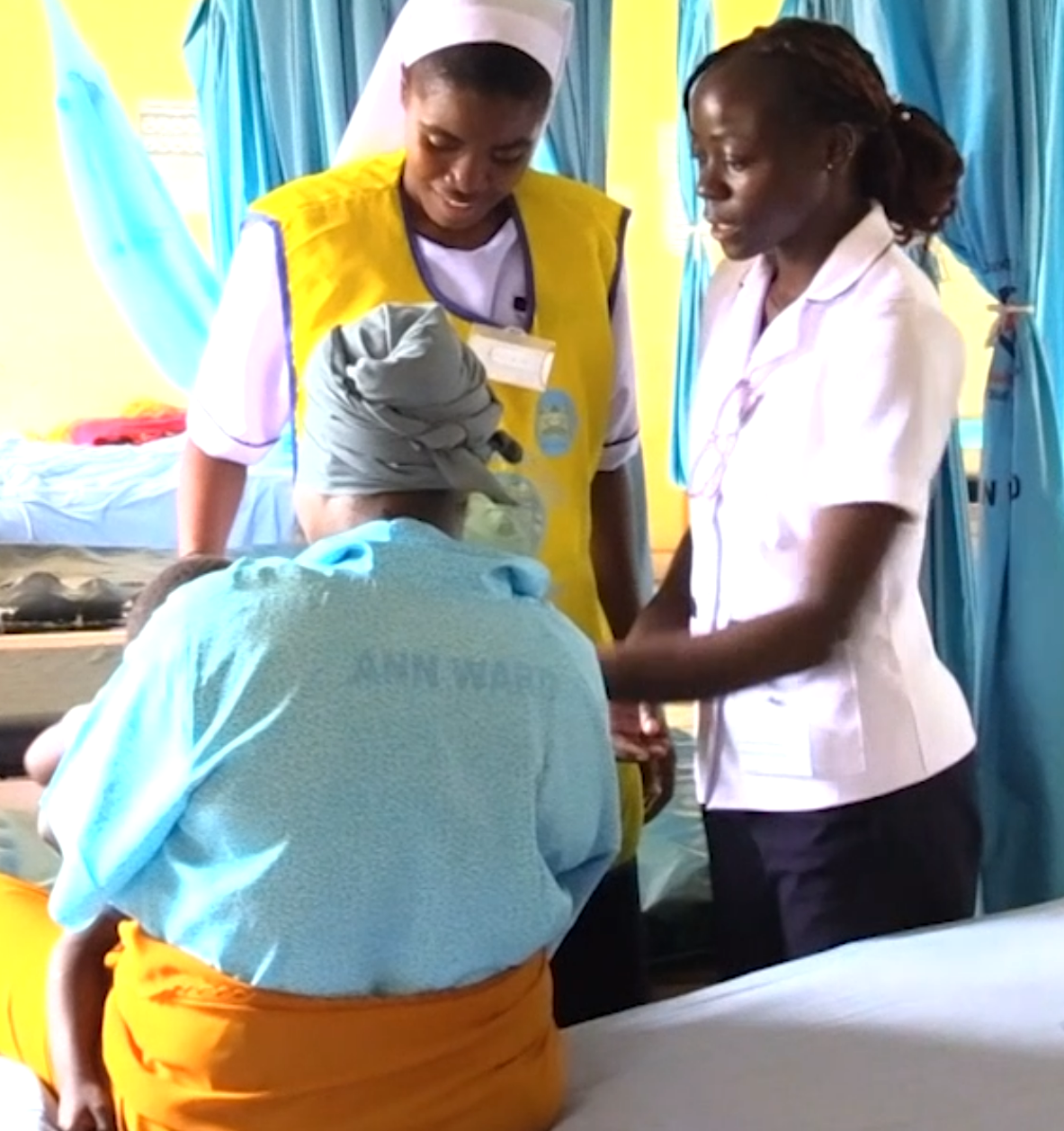 Nurse Mariam Mapesa (right) and a colleague administer care to a young sickle cell patient inside the Anne Ward at St. Mary’s Hospital, Mumias. The heavily congested unit serves as a vital clinical oasis in Western Kenya, a high-burden malaria region where up to four out of every 100 newborns are born with the recessive genetic blood disorder. (Photo: Violet Auma)
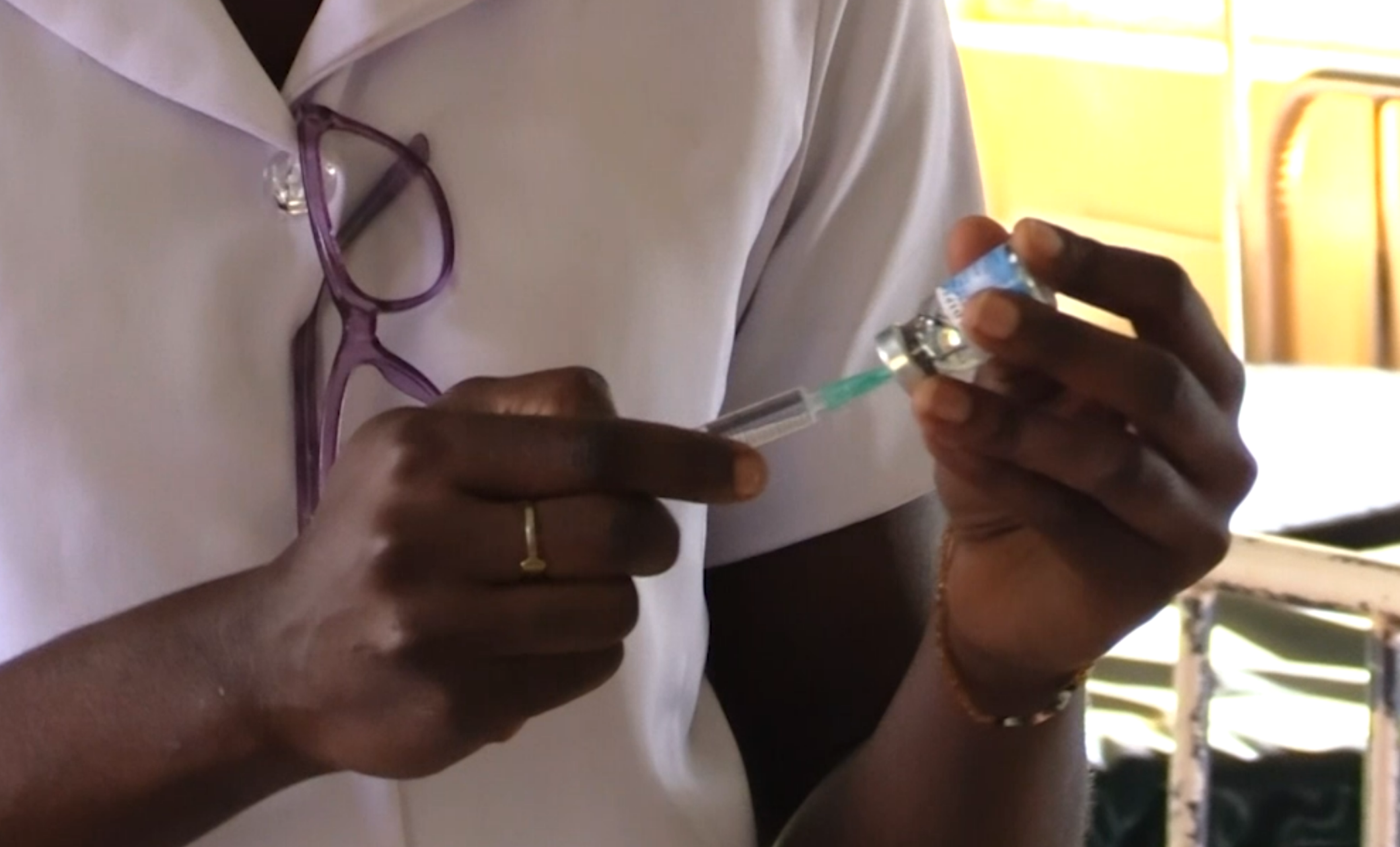 Nurse Mariam Mapesa prepares a critical injection in the crowded pediatric ward at St. Mary’s Hospital in Mumias. While administering pain-relief therapies to young sickle cell patients on her shift, Mapesa silently navigates the exact same crisis at home, caring for her own four-year-old son following the complete abandonment of his father. (Photo: Violet Auma)
Mapesa understands their pain all too well. Every crying child she comforts reminds her of her own four-year-old son.
"I had a textbook, beautiful pregnancy and delivery," Mapesa says, checking an IV line. "But at three months, the weeping began. Hours of screaming that nothing could soothe. No medicine could touch it."
Like Rehema, Mapesa faced immediate blame from her in-laws.
"My husband’s family insisted the baby was rejecting his ancestral name," she says. "They said he was fighting the spirit of the elder he was named after. They preferred to chase ghosts rather than admit it was a medical crisis."
Even with her medical training, Mapesa had to visit five different hospitals before a blood test finally revealed the truth.
Now, in the busy corridors of the ward, Mapesa is the person families lean on. She is the calm voice reassuring terrified mothers who arrive at the clinic after months of marital abandonment, empty pockets, and failed visits to traditional healers.
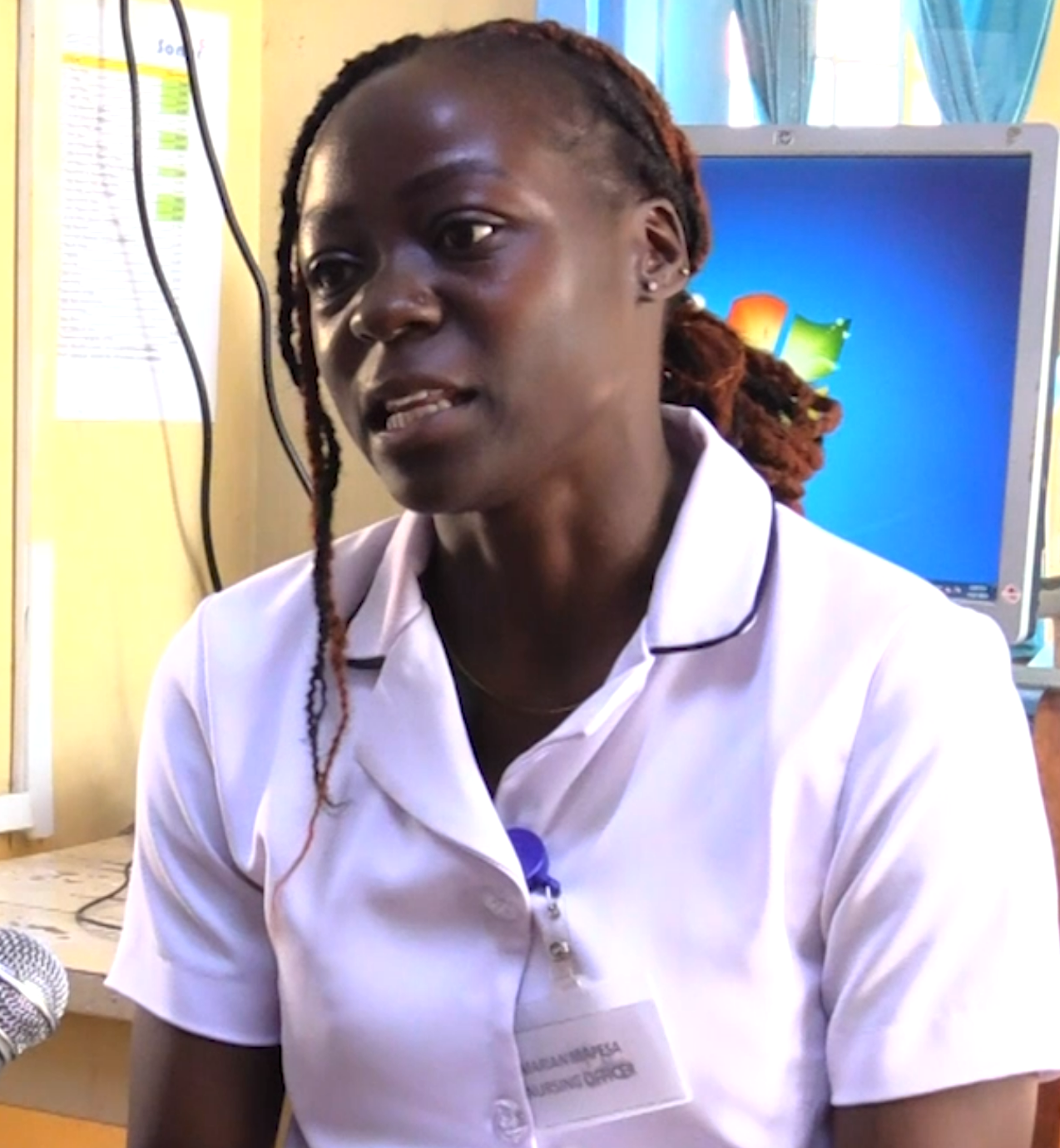
Nurse Mariam Mapesa speaks during an interview at St. Mary’s Hospital in Mumias. As the clinical lead for a heavily congested pediatric ward, Mapesa balances her professional duty with a quiet, personal heartbreak—navigating systemic medical shortages and marital abandonment while raising her own four-year-old son who carries the exact same blood disorder. (Photo: Violet Auma)
At home, she carries the exact same anxieties as the mothers she counsels. Her medical training gives her the vocabulary for the disease, but it offers no protection against watching her own child suffer.
"It breaks you," she says, her voice cracking. "There are times I sit by the bed and simply weep alongside my son when the pain hits him. During a crisis, you feel completely helpless. You understand exactly what is happening inside his blood vessels, but you are still powerless to stop it."
The genetic lottery did not just compromise her son’s health; it destroyed her marriage.
"My baby’s father walked out," Mapesa says flatly. "His relatives stood in our house and insisted that this broken blood had nothing to do with their family. They claimed no one in their ancestry had ever carried it. To them, it wasn’t a medical condition—it was a curse."
Like every mother interviewed for this investigation, Mapesa watched the father completely walk away from his responsibilities.
"I am standing alone on this battlefield," she says. "Yet, part of me still hopes that one day his father will look at the science and realize I did not cause this disease, despite what his family tells him."
Mapesa says the real emergency isn’t just the cells clogging the vessels. It is the deep stigma, the public shame, and the immediate banishment that mothers face the moment a diagnosis is printed.
As another infant’s sharp wail pierces the ward, she stands up, adjusts her uniform, and walks back to work. She carries a double burden: the duty of a medical professional and the heartbreak of a mother.
Inside the sickle cell clinic at St. Mary’s Hospital, Dr. Protus Mate watches the numbers climb. What began as a modest, once-a-month clinic has expanded into a weekly lifeline to handle the influx of patients from across Western Kenya.
Dr. Mate notes that while the science of sickle cell is clear, folklore and misinformation continually ruin modern treatment and delay early diagnosis.
"The biological reality is simple: it is a genetic blood disorder that only happens when a child inherits the abnormal gene from both parents," Dr. Mate explains, pointing to medical charts. "But science is regularly defeated by myth. Many communities still believe this is the work of sorcery or an ancestral curse."
The consequences of this belief are carved directly onto the bodies of the children.
"We routinely admit patients who have been taken to traditional healers before ever seeing a doctor," Dr. Mate says. "They arrive in our emergency rooms with physical scars sliced into their chests and limbs—the remnants of ritual treatments. Others reach us far too late, after exhausting spiritual cures and herbs."
These delays mean children arrive with life-threatening complications: sudden strokes, severe anemia, organ damage, and dangerous infections.
Yet, Dr. Mate emphasizes that the clinic spends as much time treating broken families as it does treating broken blood.
"Look at our waiting benches, it is almost entirely mothers," he says softly. "They arrive psychologically shattered. They have been blamed for the condition, chased away from their homes, or completely abandoned by their husbands. We routinely refer these women to counseling because the emotional trauma they carry is far heavier than the illness itself."
While modern medicine has improved the lifespan of sickle cell patients, a definitive cure remains out of reach for almost everyone.
"The only absolute cure is a bone marrow transplant," Dr. Mate says. "But for the vast majority of Kenyan families, that procedure is financially impossible. It leaves our patients tied to a lifetime of expensive care, daily medications, and emergency blood transfusions."
This gap between what science can do and what rural families can access exposes severe gaps in local government action.
The Ministry of Health recognizes the Lake Victoria basin as a high-burden zone, yet newborn screening is still not a mandatory, routine part of public healthcare. The standard six-week immunization visit offers a perfect window for early genetic testing, but mothers still discover their child's condition only after a devastating pain crisis.
Furthermore, while the disease requires two parents to exist, public health campaigns rarely target fathers for mandatory counseling and screening.
The common institutional excuse that rural communities are uneducated and resistant to screening is flatly contradicted by data. A landmark 2025 study conducted in neighboring Homa Bay revealed that an overwhelming 94 percent of mothers eagerly accepted newborn screening when it was actively offered.
The barrier is not cultural refusal. It is institutional neglect, fragmented access, and a failure to make screening a standard part of maternal healthcare.
For those already living with the disease, survival depends entirely on a single, scarce resource: blood.
In Kakamega County, the regional blood bank is perpetually running dry. Rachael Modani, the official in charge of the Kakamega County Blood Bank, acknowledges the structural shortfall.
"Our annual collection target is 18,000 units of blood, but we are currently operating at a devastating 60 percent deficit," Modani admits.
For a mother in a crisis, that deficit means midnight panic. When blood is unavailable at the hospital, mothers are thrust into a frantic race against time calling relatives, begging neighbors, and moving from one facility to another while their child’s organs are starved of oxygen.
🩸 THE LIFELINE GAP: KAKAMEGA COUNTY BLOOD SUPPLY
18,000 Units — The annual collection target required to keep local hospitals running smoothly.
10,800 Units — The actual amount of blood collected annually by the regional bank (60% of target).
40% Deficit — The structural shortfall that routinely forces mothers into a midnight panic during a medical emergency.
“When your child finally gets a blood transfusion, the hospital demands you either find a replacement donor immediately or pay for the unit out of pocket,” Rehema says. “It was an impossible nightmare because Riziki’s father had completely withdrawn all financial help. In the end, it was my own brothers who walked into the laboratory and bared their arms to give the blood that saved her.”
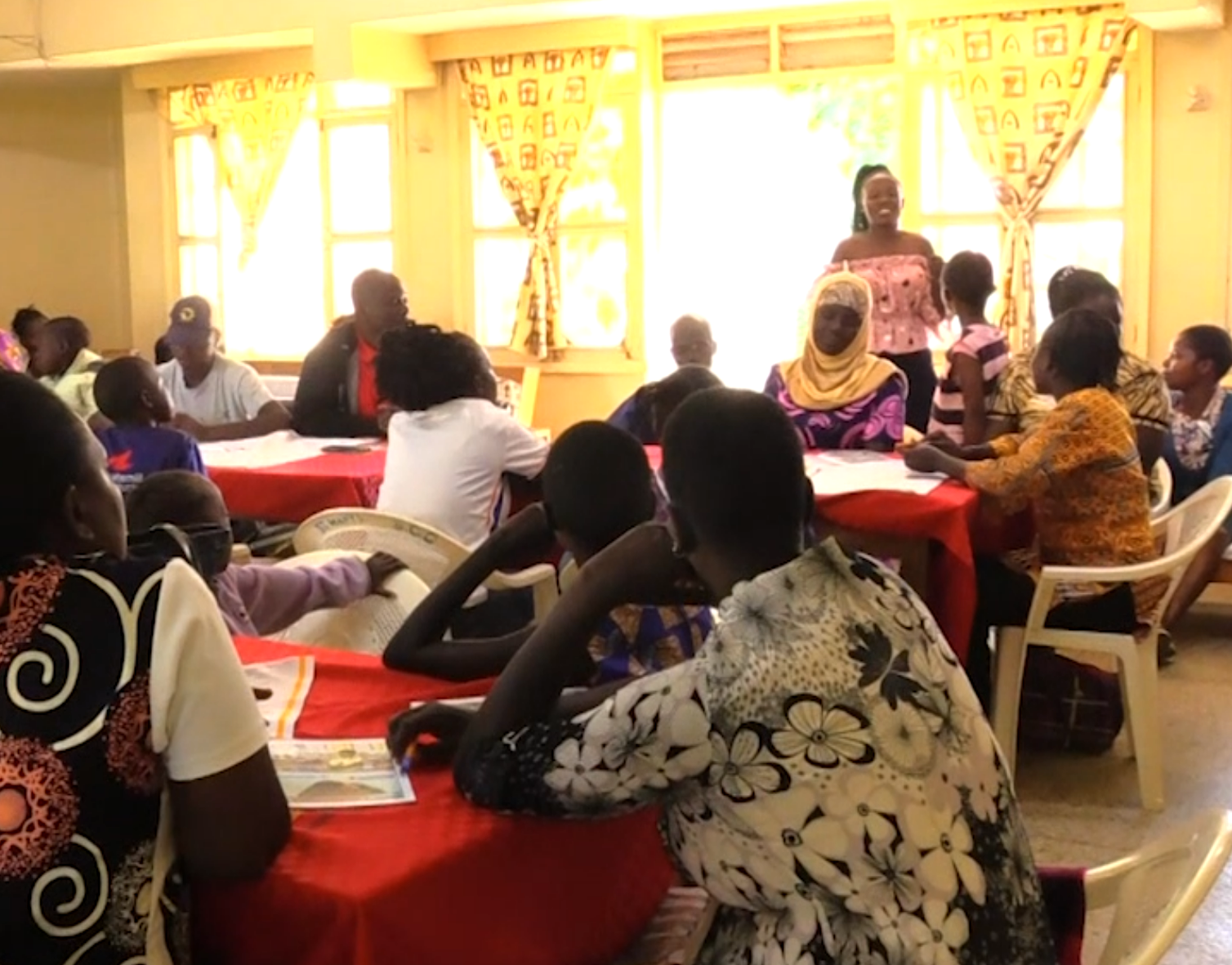
Mothers and their children gather for a monthly sickle cell support group meeting in Mumias, Western Kenya. The grassroots collective serves as a vital emotional and financial lifeline for women who have been cast out of their matrimonial homes and turned into genetic scapegoats by husbands blaming the inherited blood disorder on ancestral curses or witchcraft. (Photo: Violet Auma)
Refusing to suffer in silence, a group of young survivors and their mothers in Mumias have formed a grassroots support group—a small sanctuary against a culture of shame.
They hold their monthly meetings in a quiet space near St. Mary’s Hospital. The hospital itself supports the group, coordinating with staff to ensure patients can attend.
That is where Asman Mohammed arrived.
He did not come from home; he walked in straight from a hospital bed. Asman had been in the surgical ward for days, treating severe leg ulcers caused by his sickled blood. He had received a life-saving blood transfusion only the night before.
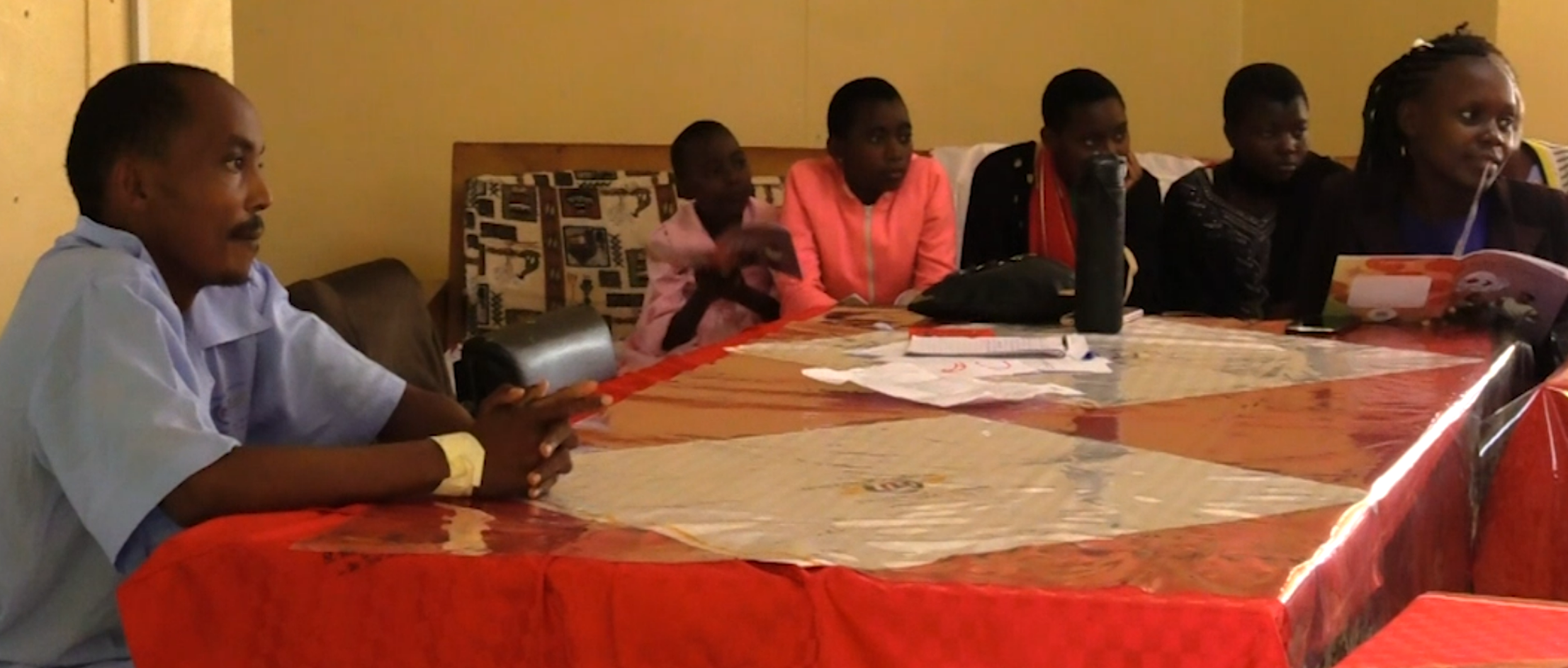
Asman Mohammed listens keenly during a monthly sickle cell support group meeting in Mumias. Granted a brief, unprecedented leave from his surgical bed at St. Mary’s Hospital just hours after receiving a critical blood transfusion, Asman relies on this community for survival while preparing for complex skin-grafting surgery to treat a deep, non-healing vascular ulcer he has painfully nursed for over a decade. (Photo: Violet Auma)
He was waiting for skin-graft surgery to patch a deep, open ulcer he had lived with for over ten years. Yet, when it was time for the monthly meeting, the ward doctors let him leave the hospital for a brief moment. They unhooked him from the machines and let him limp out to join the support group.
Sitting among the others, smelling of hospital disinfectant, Asman spoke slowly through his exhaustion.
“My own father looked at me and said this illness was the result of witchcraft and demonic sorcery,” Asman says. “People refuse to believe this is a disease like any other. They look at our pain, at our endless blood transfusions, and see a spiritual curse.”
Because the local blood bank is empty, Asman has had to learn how to survive before he could even learn how to grow up.
“The moment I manage to save a few coins, I don’t spend them on food or clothes,” Asman says, gesturing toward the laboratory down the road. “I use it to find a healthy person, pay for their transport, and bring them to the hospital so they can donate blood under my name. I have to buy my next breath before the pain catches up to me.”
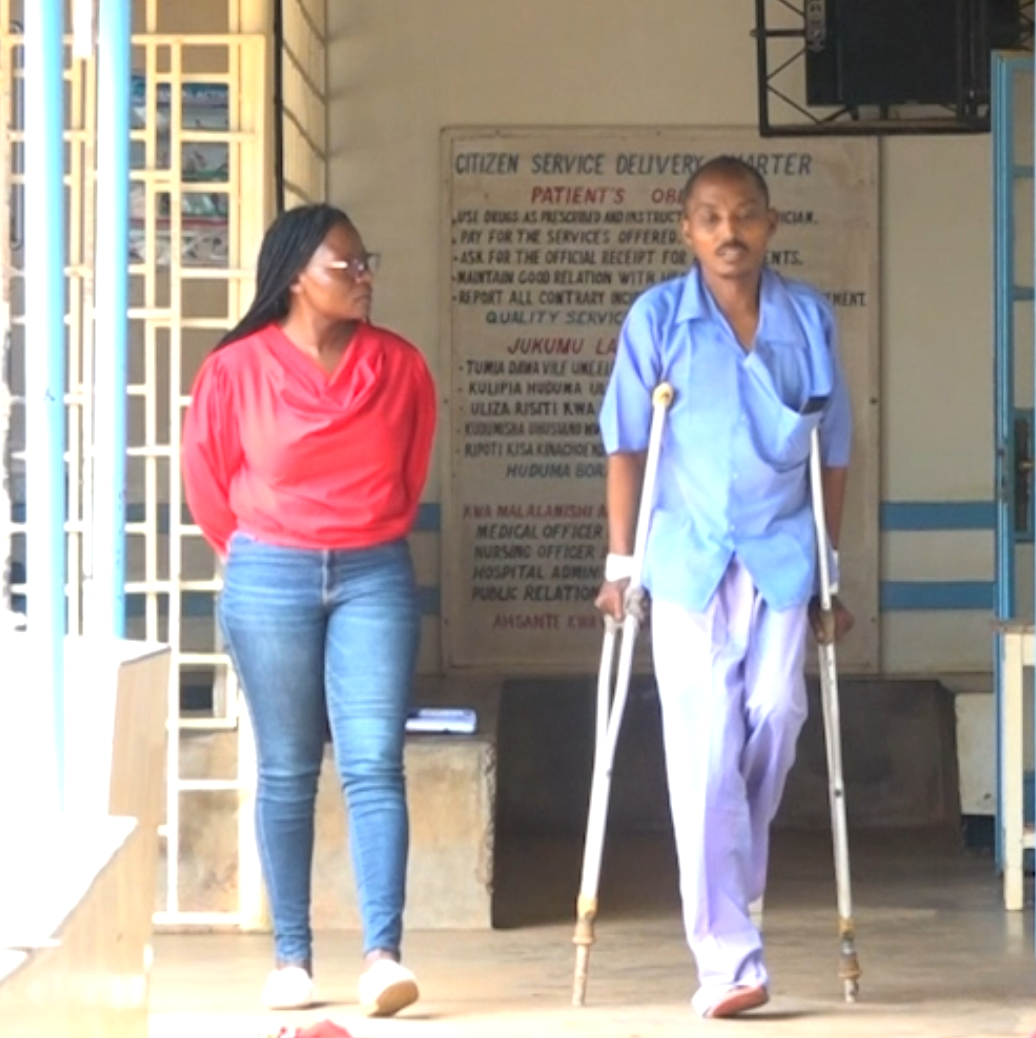
Journalist Violet Auma accompanies sickle-cell warrior Asman Mohammed as he limps back toward the gates of St. Mary’s Hospital in Mumias. Granted a brief, conditional release from the surgical ward to attend his monthly support group meeting, Asman must return to his hospital bed to continue nursing a decade-old vascular ulcer and await skin-grafting surgery. (Photo: Courtesy)
When the meeting ends, the others prepare to walk back to their villages. Asman turns around and limps back toward the hospital gates, returning to the ward to wait for his surgery.
The mothers stand up, lifting their children onto their backs and wrapping them tightly in colorful lessos. They hold tiny hands as they walk back out into a society that blames them and a health system that ignores them.
They are still carrying a heavy burden, but they are no longer entirely alone.





Comments (0)