
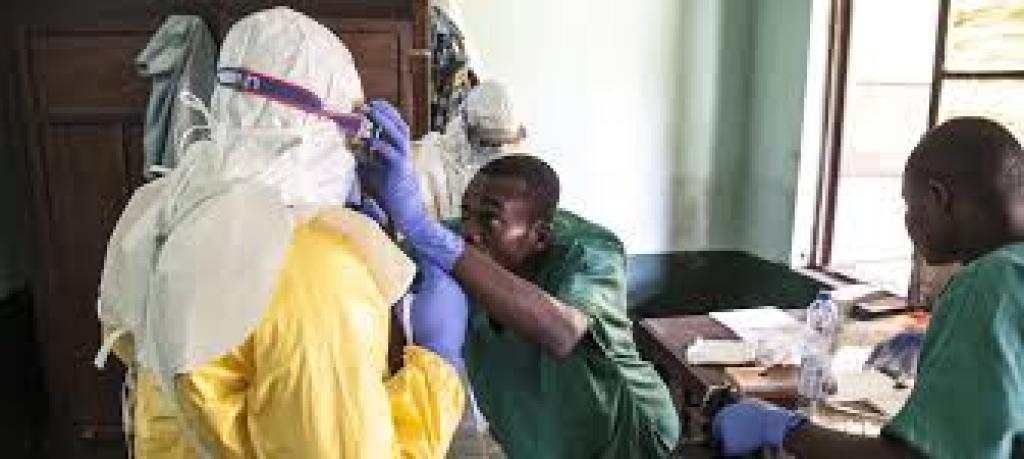
Gavi and CEPI have launched a fast-track push to develop a trial-ready vaccine for the Bundibugyo Ebola strain, as outbreaks in DRC and Uganda raise regional concern. With no licensed vaccine yet for the strain, Kenya is heightening surveillance along border and transit corridors to prevent possible spread.
A major shift is under way in global epidemic preparedness. Instead of waiting for Bundibugyo Ebola outbreaks to spiral before vaccines are tested and produced, Gavi, the Vaccine Alliance, and CEPI are moving vaccine candidates toward trial-ready stage in advance — a strategy meant to save time, reduce manufacturer risk and ensure doses can be scaled up quickly if the virus spreads further.
The new initiative targets the Bundibugyo strain of Ebola, a rare but deadly virus now driving outbreaks in the Democratic Republic of Congo and Uganda.
Unlike the Zaire Ebola strain, which has a licensed vaccine, Bundibugyo has no approved vaccine or specific treatment, leaving health teams dependent on early detection, isolation, contact tracing, infection prevention and supportive care.
Gavi has committed up to US$50 million through its First Response Fund to support vaccine access and outbreak response. Of this, up to US$40 million will go toward accelerating access to investigational doses and eventually approved vaccines, while US$10 million will support outbreak response and protection of routine immunization services in affected countries.
Gavi CEO Dr Sania Nishtar said the world cannot afford to wait until a vaccine is fully ready before preparing production capacity.
“We need to act now to ensure that, once one or more vaccine candidates are ready, manufacturers are in a position to start producing doses at scale,” she said.
CEPI is fast-tracking three investigational vaccine candidates being developed by IAVI, Moderna and the University of Oxford, with the Oxford candidate to be manufactured by the Serum Institute of India. The candidates use different vaccine technologies, including rVSV, mRNA and ChAdOx1 platforms.
“With Bundibugyo virus spreading rapidly and no licensed vaccines, every day counts in the race against this deadly disease,” said CEPI CEO Dr Richard Hatchett.
The urgency is being driven by a fast-moving regional outbreak. According to the World Health Organization, as of June 6, 2026, DRC had reported 515 confirmed cases and 91 deaths, while Uganda had reported 19 confirmed cases and two deaths, plus one probable death. Across both countries, WHO reported 534 confirmed cases and 93 deaths, giving a confirmed case fatality rate of 17.4 percent.
WHO says previous Bundibugyo outbreaks recorded case fatality rates ranging from 30 to 50 percent, although early supportive care can improve survival. The disease can begin with fever, intense weakness, headache, muscle pain and sore throat, before progressing in severe cases to vomiting, diarrhea, organ failure and unexplained bleeding.
For Kenya, the outbreak has raised concern because of cross-border movement, trade and transport links with Uganda and the wider Great Lakes region.
The Ministry of Health says Kenya remains free of Ebola, with all 59 suspected cases tested in the country returning negative results. But surveillance has been intensified at the Malaba border following reported cases in Uganda.
Public Health Principal Secretary Mary Muthoni said the government is strengthening surveillance, laboratory testing capacity in Nairobi and Kisumu, and public awareness campaigns to support early detection and prevention. She also emphasized the need for adequate quarantine facilities to safely isolate exposed individuals and manage suspected cases
Health experts say a vaccine would be a major breakthrough, but it will not replace the basic tools of Ebola control.
Until a safe and effective Bundibugyo vaccine is available, the frontline response remains rapid detection, isolation of suspected cases, contact tracing, safe handling of bodies, infection prevention in health facilities and clear public communication.
For border counties and transit towns, the warning is immediate outbreaks may begin far from Kenya, but the risk travels through people, trade routes and health systems that are not prepared early enough.






Comments (5)